
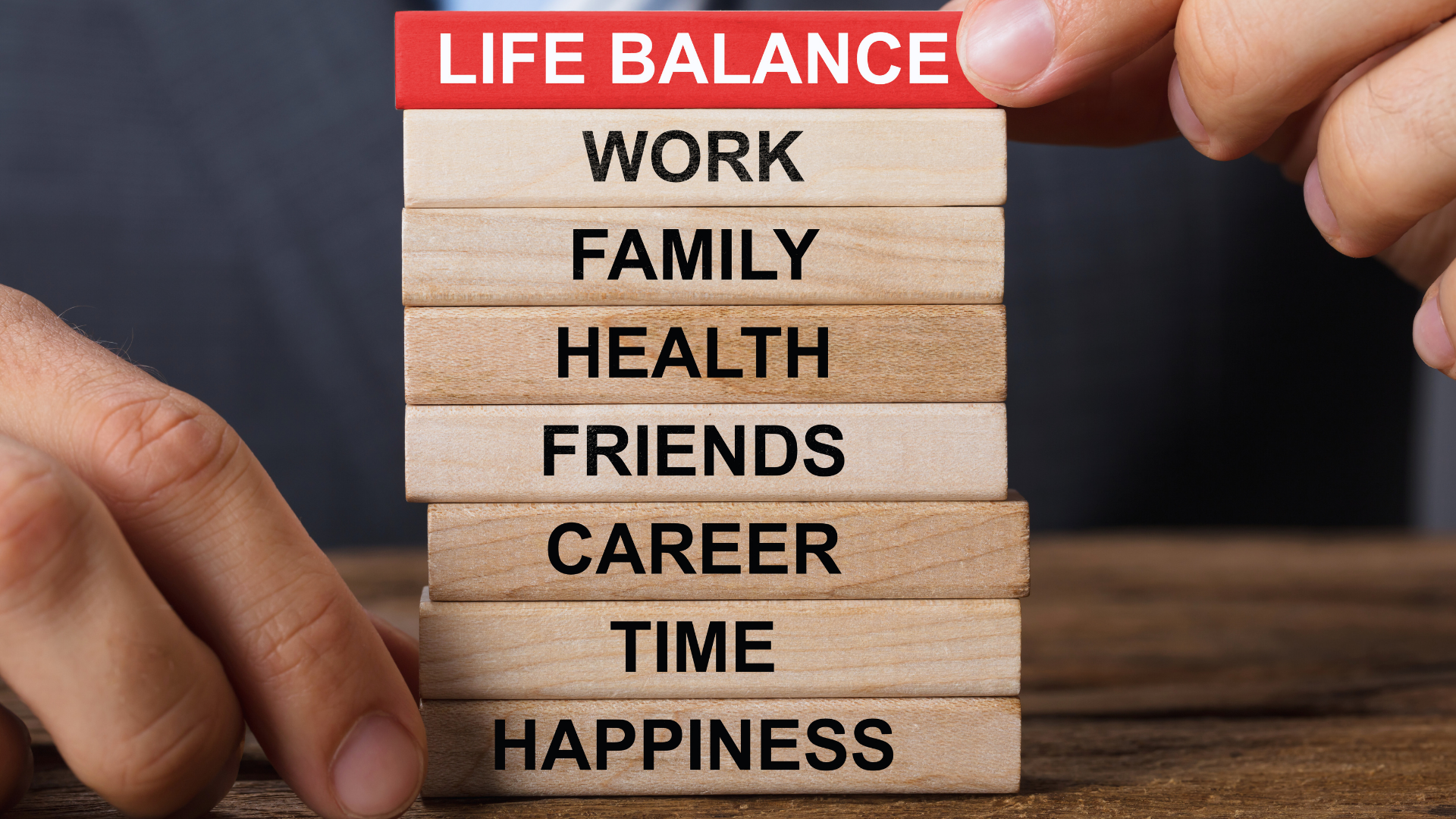
How to Organize Your Life for Maximum Productivity and Balance
Organizing your life starts with setting clear priorities and creating simple, consistent habits. Focus on identifying what matters most and breaking tasks into manageable steps.
The key is to build a daily routine that helps you stay on track without feeling overwhelmed. Using tools like lists, calendars, and reminders can make a significant difference.
Understanding your goals and limiting distractions are essential to maintaining organization over time. This approach allows you to work smarter and maintain better control over your time and energy.
Understanding the Importance of Life Organization
Organizing your life influences your daily efficiency, mental clarity, and stress levels. It involves creating systems that manage time, tasks, and personal spaces effectively.
Benefits of an Organized Life
An organized life reduces wasted time on searching for items or information. When plans and priorities are clear, decision-making becomes faster and more effective.
Being organized also improves productivity because it helps break down tasks into manageable steps. It allows you to allocate time properly, avoiding last-minute rushes or missed deadlines.
Additionally, the organization promotes better habits and routines. This consistency can increase motivation and overall satisfaction in personal and professional areas.
Common Obstacles to Staying Organized
Distractions such as digital notifications can interrupt focus and disrupt organizational efforts. Many people struggle with perfectionism, which causes delays in completing tasks.
Clutter is another major obstacle; physical or digital messes make it harder to find things quickly. Time constraints may lead to skipping organization activities, which compounds disarray.
Lack of clear goals or priorities also weakens organizational habits. Without direction, efforts to stay organized can feel futile or overwhelming.
How Organization Impacts Well-Being
Life organization helps reduce stress by creating a sense of control. Knowing what to expect and having clear plans minimizes anxiety.
It supports mental well-being by decreasing cognitive overload. A tidy environment and a structured schedule free up mental space for focus and relaxation.
Organized living also encourages healthier routines, such as regular sleep, exercise, and nutrition. These routines contribute to sustained physical and emotional health.
Setting Clear and Achievable Goals
Setting goals requires understanding what matters most and breaking down ambitions into manageable steps. Knowing your priorities, defining immediate aims, and setting future targets form the foundation of successful life organization.
Identifying Priorities
Begin by listing all areas of your life, such as work, family, health, and hobbies. Evaluate which areas need the most attention based on deadlines, impact, and personal values.
Use a simple priority matrix to classify tasks:
| Urgent & Important | Important but Not Urgent |
| Address immediately | Schedule for later |
Focusing on your highest priorities helps avoid wasted effort on less critical tasks. Regularly reassess these priorities as situations change.
Defining Short-Term Goals
Short-term goals should be specific, measurable, and achievable within days or weeks. For example, completing a project report by Friday or exercising three times this week.
Break goals into actionable steps using the SMART criteria:
- Specific: Clear and unambiguous
- Measurable: Quantifiable progress
- Attainable: Realistic with current resources
- Relevant: Aligns with priorities
- Time-bound: Has a deadline
Tracking progress daily keeps motivation high and allows quick adjustments if needed.
Creating Long-Term Objectives
Long-term objectives focus on achievements over months or years, like earning a degree or saving for a home. These goals require breaking down into smaller milestones.
Write objectives in clear, concise statements with deadlines. For example, “Save $10,000 within 12 months by setting aside $850 monthly.”
Use tools like goal-tracking apps or calendars to monitor progress. Review these goals every few months to remain aligned with your evolving priorities.
Creating Effective Daily and Weekly Routines
Establishing consistent habits can increase efficiency and reduce stress. Prioritizing key tasks and setting clear boundaries helps maintain focus throughout the day and week.
Designing a Productive Morning Routine
Start mornings with activities that boost alertness and motivation. This might include 5-10 minutes of stretching or light exercise to stimulate circulation. Hydrating immediately after waking up aids cognitive function.
Plan your top 3 priorities for the day and avoid checking emails or social media before completing these tasks. A consistent wake-up time improves sleep quality and energy levels. Limit decision fatigue by preparing clothes and meals the night before.
Establishing Evening Habits for Success
Create an evening ritual that supports relaxation and prepares the mind for restful sleep. Dim lights and avoid screens at least 30 minutes before bed. Journaling about accomplishments or next-day tasks can clear the mind.
Set a fixed bedtime to regulate circadian rhythms. Activities such as reading or meditation encourage calmness. Avoid heavy meals and caffeine late in the day to enhance sleep quality.
Weekly Planning Strategies
Allocate 30 minutes once a week to review progress and plan upcoming tasks. Use a planner or digital tool to list goals and deadlines. Break large projects into smaller steps across the week.
Schedule buffer time for unexpected events and set specific days for routine tasks like errands. Regularly assess priorities to adjust plans based on shifting demands. Establishing a weekly review habit supports consistency and goal attainment.
Optimizing Time Management
Effective time management depends on focusing on what matters most, using the right tools, and minimizing interruptions. Creating clear priorities, leveraging digital aids, and maintaining firm limits on distractions are key steps.
Prioritizing Tasks Efficiently
Start by listing all tasks, then categorize them by urgency and importance using the Eisenhower Matrix:
| Urgent & Important | Important, Not Urgent |
| Complete immediately | Schedule for later |
Avoid spending too much time on low-priority tasks. Break large projects into smaller steps to prevent overwhelm and ensure focus. Review and adjust priorities daily or weekly to stay aligned with goals.
Using Digital Tools and Apps
Use calendar apps like Google Calendar to schedule and visualize your day. Task management tools such as Todoist or Microsoft To Do help track deadlines and progress. Set reminders for key deadlines and block time specifically for deep work.
Many apps offer features to prioritize tasks, categorize projects, and enable collaboration. Choose those matching your style and needs, but avoid overcomplicating with too many tools.
Setting Boundaries and Avoiding Distractions
Create specific work periods and communicate your availability clearly to others. Turn off non-essential notifications to reduce interruptions. Use techniques like the Pomodoro method to maintain focus in short bursts.
Designate a workspace free from typical distractions. If needed, use website blockers to limit social media or other distracting sites during work times. Sticking to these boundaries improves overall productivity and focus.
Organizing Your Physical Space
Creating an organized living or working area involves removing unnecessary items, setting up efficient storage solutions, and keeping your workspace orderly. These steps contribute to better focus and productivity.
Decluttering Your Environment
Start by sorting items into three categories: keep, donate/sell, and discard. This helps reduce distractions and clears physical and mental space. Focus on frequently used areas first, such as countertops, desks, or entryways.
Use clear bins, labels, or baskets to group similar items together. For example, keep all electronics accessories in one container. Limit sentimental items to a designated spot to avoid clutter buildup.
Set a schedule for regular decluttering sessions, such as weekly or monthly. This prevents accumulation and makes maintenance manageable.
Setting Up Functional Storage Systems
Functional storage should be easy to access and tailored to the types of items you have. Use vertical shelving to maximize space, and drawer dividers for smaller belongings like stationery or tools.
Label storage containers clearly to save time searching. Consider transparent bins when possible, so contents are visible without opening.
Invest in multi-purpose furniture like ottomans with storage or under-desk organizers. Keep frequently used items within arm’s reach to enhance efficiency.
Maintaining a Tidy Workspace
Start each day by resetting your workspace. Put away items that are out of place and wipe down surfaces. This prepares you for focused tasks.
Limit what stays on your desk to essentials like your computer, a notepad, and writing tools. Remove excess paper clutter by digitizing documents when possible.
Develop habits like sorting mail immediately and putting away supplies after use. Consistency reduces stress and saves time in the long run.
Managing Digital Life and Information
Keeping digital assets accessible, secure, and organized requires consistent habits and clear systems. This involves not only sorting files efficiently but also controlling communication flow and ensuring data safety with backups and protection measures.
Organizing Files and Folders
Create a clear hierarchy for your files by categorizing folders based on projects, dates, or file types. Use descriptive names, avoiding vague labels like “Misc” or “Stuff” to simplify searches later.
Regularly delete duplicates and outdated files to free up space. Implement a consistent naming convention, such as “YYYY-MM-DD_ProjectName_Version,” to maintain order across devices.
Utilize cloud storage solutions like Google Drive or Dropbox to sync files. Enable version history when possible, so you can recover previous edits.
Streamlining Email and Communication
Set up folders or labels to sort emails into categories such as Work, Personal, Bills, and Newsletters automatically with filters. Prioritize emails by flags or stars to highlight important messages.
Unsubscribe from unnecessary newsletters or promotional emails to reduce inbox clutter. Schedule fixed times daily to process emails instead of constantly.
Use tools like email templates or canned responses to increase efficiency when replying to common queries. Maintain clarity and brevity in messages to save time for both sender and recipient.
Protecting and Backing Up Data
Ensure you use strong, unique passwords for all accounts, managed via a reputable password manager. Enable two-factor authentication where available to add an extra security layer.
Perform regular automated backups both locally (external hard drives) and to the cloud. Set reminders to verify backup success monthly.
Keep your devices updated with the latest security patches and antivirus software. Be cautious when downloading files or clicking links from unknown sources to avoid malware risks.
Building Healthy Habits and Self-Care
Establishing consistent routines improves both physical health and mental clarity. Prioritizing wellness alongside effective time management supports sustainable productivity. Regular evaluation ensures habits remain beneficial and adaptable.
Incorporating Wellness Practices
Wellness routines should include activities that enhance physical, mental, and emotional health. Daily practices such as stretching, meditation, or short walks can help reduce stress and improve focus. Nutrition also plays a critical role; aim for balanced meals with adequate hydration throughout the day.
Sleep hygiene is vital. Set a consistent bedtime and create a screen-free wind-down period to improve rest quality. Avoid multitasking during relaxation time to allow your body and mind to recuperate fully.
Wellness is not one-size-fits-all. Track what positively affects your mood and energy, then adjust to fit your lifestyle. Small, intentional changes yield sustainable health benefits over time.
Balancing Work and Personal Life
Defining clear boundaries between work and personal time prevents burnout. Use tools like calendars or time-blocking to schedule dedicated hours for both. Avoid checking work emails or tasks outside these periods.
Prioritize activities that replenish energy during non-work hours, including hobbies, social interactions, or physical exercise. Recognize signs of imbalance, such as persistent fatigue or irritability, and adjust your schedule accordingly.
Communicate your availability to colleagues and family. Transparency helps manage expectations and supports a healthier balance. Maintaining this separation increases focus during work and improves relaxation during personal time.
Tracking Progress and Adjusting Habits
Regularly monitor your habits to gauge their effectiveness. Use journals, apps, or simple checklists to record progress. Note improvements in energy, mood, or productivity as key indicators.
Set specific, measurable goals with deadlines. For example, aim to meditate for five minutes daily for two weeks before extending the practice. Incremental progress is easier to sustain and evaluate.
Adapt habits based on your findings. Drop ineffective routines and replace them with new strategies. Flexibility ensures that habits serve your evolving needs without creating additional stress.
Reviewing and Adjusting Your Organizational Systems
Regular evaluation of your organizational methods helps maintain efficiency and responsiveness. Identifying strengths and weaknesses in your current system ensures ongoing improvement. Life shifts require tweaks, and continuous effort keeps your routines functional.
Assessing What Works and What Doesn’t
Begin by listing your organizational tools and methods, such as calendars, apps, or filing systems. Track which ones you use often and which you avoid. Notice patterns—do you complete tasks faster with certain methods, or do some create unnecessary clutter?
Ask yourself: Are deadlines consistently met? Do you feel less stressed when using specific tools? Collect feedback if others share your system. Once you identify effective components, double down on them. For areas causing friction, consider alternatives or adjustments.
Adapting to Life Changes
Major life changes—new jobs, moves, family growth—impact how you organize. Expect to modify schedules, priorities, and storage methods. For example, a new baby might require shifting to more flexible planning or better digital note-keeping.
Reevaluate goals periodically to match current needs, whether personal or professional. Adjust reminder settings or notification methods to suit new routines. Flexibility in your system prevents breakdowns as circumstances evolve.
Sustaining Long-Term Organization
Consistency is key to lasting organization. Develop habits like weekly reviews and daily prioritization to keep your system current. Use checklists or automated reminders to reduce mental load.
Set realistic goals for upkeep. Avoid overcomplicating your process; simplicity encourages persistence. Periodically, archive old documents and clear out unused apps or tools to maintain clarity.
| Tip | Frequency | Purpose |
| Weekly review | Every 7 days | Adjust plans, clear backlog |
| Digital file clean-up | Monthly | Reduce clutter, improve access |
| Goal reassessment | Quarterly or as needed | Ensure relevance and focus |