
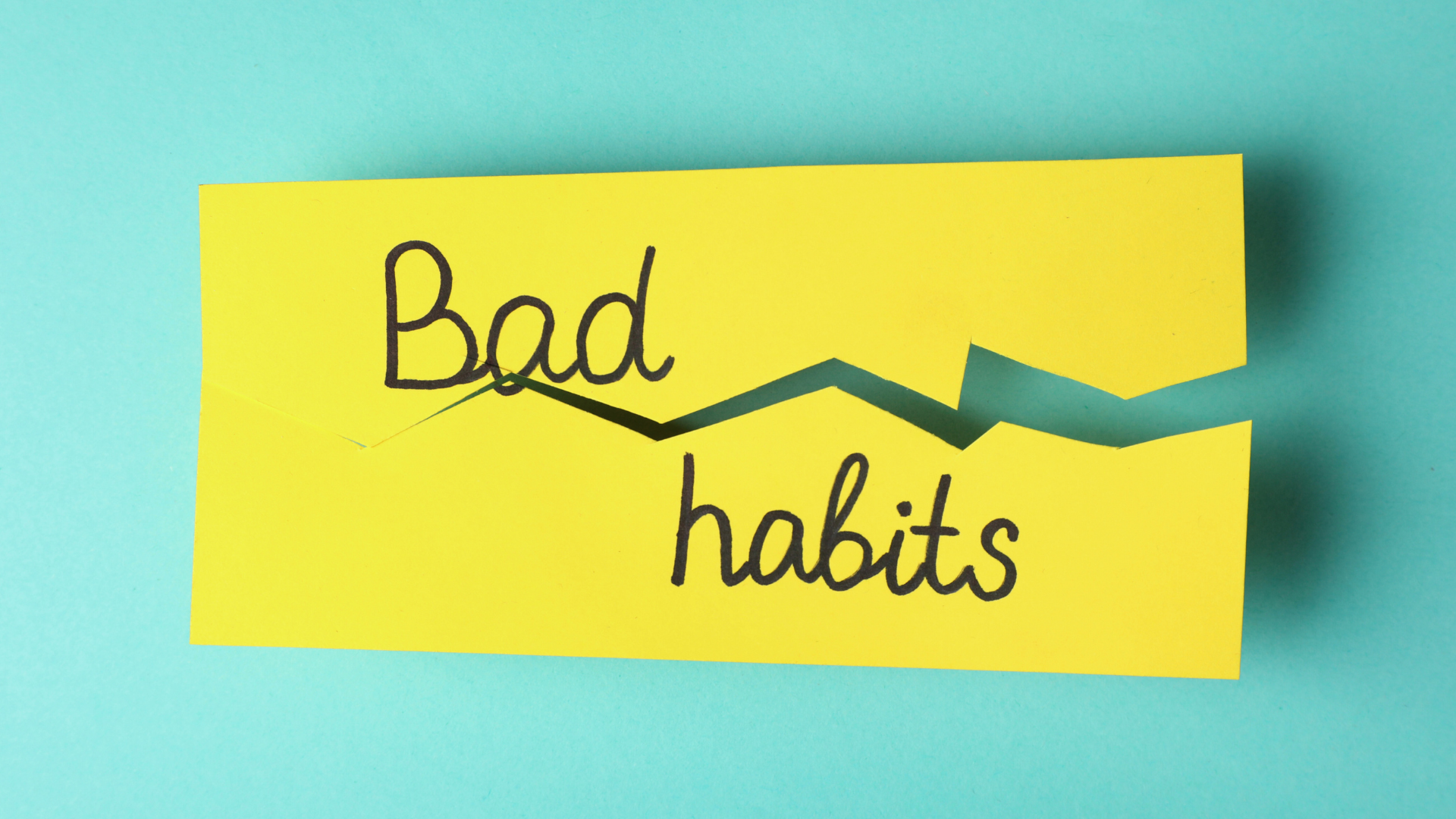
How to Break Bad Habits Effectively and Sustainably
Breaking bad habits is a challenge many face, but it’s possible with the right approach. The key is identifying triggers and replacing the negative behavior with a positive alternative.
Understanding why a habit exists helps in developing strategies to change it. Consistency and patience are essential as habits don’t change overnight.
By focusing on small, manageable steps and tracking progress, the process becomes clearer and more achievable. This approach reduces frustration and increases the chance of success.
Understanding Bad Habits
Bad habits often develop through repeated behavior patterns linked to specific cues or rewards. These habits become automatic, making them difficult to change without understanding their origins and triggers.
Defining Bad Habits
A bad habit is a repetitive behavior that negatively impacts health, productivity, or relationships. Examples include smoking, excessive screen time, or overeating.
Bad habits form when actions that provide short-term pleasure or relief are repeated despite long-term harm. They are often unconscious, making them harder to control over time.
Not all habits are harmful, but bad habits interfere with goals or well-being. Recognizing what makes a habit “bad” relies on its negative consequences rather than frequency alone.
Psychology Behind Habit Formation
Habits develop through a neurological loop: cue, routine, and reward. The brain links a trigger to a behavior that delivers a positive outcome, reinforcing repetition.
Over time, this loop creates automatic responses, reducing the need for conscious thought or decision-making. This automation conserves mental energy.
Dopamine, a brain chemical, plays a key role by signaling pleasure or satisfaction when a habit is performed. This chemical reward strengthens the habit cycle.
Understanding this process clarifies why breaking bad habits requires interrupting or replacing the loop rather than just resisting urges.
Identifying Triggers
Triggers are specific cues that prompt habitual behavior. These can be emotional states, environments, people, or the time of day.
For example:
- Stress might trigger smoking.
- Seeing a phone may prompt excessive social media use.
- Being around certain friends can encourage negative behaviors.
Tracking when and where a habit occurs helps pinpoint triggers. Writing down the context, mood, and action after each habit episode often reveals patterns.
Once identified, these triggers can be managed, avoided, or altered to reduce habit occurrences.
Recognizing Your Habits
Identifying and understanding your habits is the first step toward changing them. It requires honesty about when, where, and why these behaviors occur. A clear view of your patterns helps target specific triggers.
Self-Assessment Techniques
Begin by asking yourself specific questions about your behavior. When do you typically engage in the habit? What feelings or situations lead to it? Writing down answers creates a baseline for awareness.
Use tools like daily journals or reflection exercises to record thoughts and urges. Rate your confidence to resist the habit on a scale from 1 to 10. This quantifies your current control and highlights moments of vulnerability.
Mindfulness exercises also aid in recognizing subtle triggers. Pay attention to physical sensations or emotional states right before the habit occurs. This deeper insight makes it easier to anticipate and intervene.
Tracking Habit Patterns
Tracking habits systematically reveals consistent cues. Use a simple log with columns for Date, Time, Context, Trigger, and Response. This concrete data outlines the exact circumstances tied to your behavior.
Apps or wearable devices can automate tracking and provide real-time reminders. Visual charts or graphs based on your input expose frequency and peak times, which may not be obvious otherwise.
Look for patterns such as specific locations, people, or emotional states common to habit episodes. Identifying these allows for targeted changes, like avoiding certain situations or preparing alternative actions.
By consistently tracking, you create accountability. Regular review keeps your progress visible and adjustments timely, improving chances for lasting change.
Setting Clear Goals for Change
Breaking bad habits requires understanding what drives the desire to change and defining specific steps to follow. Focusing on both internal reasons and realistic targets makes the process manageable and purposeful.
Establishing Motivations
Knowing why change matters strengthens commitment. Identify personal reasons such as improving health, saving money, or enhancing relationships. Write these motivations down as reminders.
Motivations should be specific and meaningful. For example, instead of “wanting to be healthier,” say “reducing daily sugar intake to lower blood sugar levels.” This clarity creates a stronger emotional connection to the goal.
Review motivations regularly. When temptation arises, recalling these reasons can help maintain focus and resist old patterns.
Creating Achievable Objectives
Set goals that are clear and realistic. Break larger goals into small, actionable steps. For instance, if the habit is smoking, start by reducing the daily number by one or two.
Use the SMART criteria:
- Specific: Target a concrete behavior change.
- Measurable: Track progress quantitatively.
- Achievable: Ensure the goal fits your current lifestyle.
- Relevant: Link to your Motivations.
- Time-bound: Set deadlines to maintain urgency.
Track progress daily or weekly. Adjust objectives if they prove too hard or too easy, keeping the momentum steady and achievable.
Developing Effective Strategies
Breaking bad habits requires clear planning and practical adjustments. This involves changing old behaviors, adapting your surroundings, and reinforcing new actions with rewards to strengthen change.
Habit Replacement Methods
Replacing a bad habit with a positive one interrupts the automatic cycle that reinforces unwanted behavior. Identify a constructive action that satisfies the same need as the habit you want to break. For example, if you tend to snack when stressed, try deep breathing exercises or short walks instead.
Consistency is key. Each time the urge arises, consciously switch to the replacement behavior. Over time, this forms a new routine that gradually weakens the previous habit. Tracking progress daily can help maintain focus and improve adherence.
Environmental Modifications
Changing your environment reduces triggers that prompt bad habits. Remove items that encourage unwanted behavior—like junk food or cigarettes—from your living spaces.
Adjust your surroundings to support positive behaviors. For example, place water bottles within reach if you want to stop soda consumption or set reminders on your phone to avoid distractions. Small changes create fewer temptations and make healthier choices easier.
Using Positive Reinforcement
Rewarding yourself after successfully avoiding a bad habit strengthens motivation. Positive reinforcement can be anything meaningful: extra leisure time, small treats, or acknowledging progress with a journal entry.
Set clear, achievable goals and reward yourself immediately after meeting them. This forms a link between good behavior and positive outcomes, encouraging repetition. Avoid rewards that conflict with your habit-breaking goals to maintain consistency.
Building Support Systems
Creating a network that encourages positive change can significantly improve your chances of breaking bad habits. The right people and structures provide motivation, guidance, and accountability throughout the process.
Seeking Social Support
Connecting with friends, family, or peers who understand your goals is crucial. They can offer emotional encouragement, practical advice, and help reduce feelings of isolation. Social support also creates opportunities for healthy distractions away from old habits.
Explain your intentions clearly to those around you. This transparency helps others understand how to assist, whether by checking in regularly or joining you in new activities. Support groups or online communities centered on behavior change can also be valuable resources for shared experiences and tips.
Accountability Partners
Partnering with someone who holds you responsible can accelerate habit change. This person should be trustworthy and committed to providing honest feedback without judgment.
Set specific, measurable goals together and schedule regular check-ins. Use tools like shared journals, apps, or progress charts to track your improvements. An accountability partner helps you stay consistent by celebrating milestones and addressing setbacks promptly.
Overcoming Challenges
Breaking bad habits involves navigating obstacles like setbacks and intense cravings. Managing these effectively requires specific strategies and awareness.
Handling Setbacks
Setbacks are a normal part of habit change, not failures. When a setback occurs, it’s important to analyze the trigger and avoid self-blame, which can increase the risk of repeating the behavior.
Create a plan for when setbacks happen. This can include immediate actions like deep breathing or contacting a support person. Reflect on the circumstances that led to the slip and adjust your strategies accordingly.
Tracking progress visually, such as on a calendar or app, can highlight improvements despite setbacks. Remember, consistency over time matters more than short-term perfection.
Coping with Cravings
Cravings are powerful but short-lived. Using distraction techniques, such as engaging in a hobby or physical activity, can reduce the urge.
Identify specific triggers like stress, boredom, or certain environments. Preparing alternative responses, like drinking water or deep breathing, helps manage these moments proactively.
Mindfulness practices, including observing cravings without reacting, can lessen their impact. Consistently applying these tools strengthens control over impulses and supports habit change.
Tracking Progress and Staying Consistent
Tracking progress and maintaining consistency are crucial steps in breaking bad habits. This involves regularly evaluating your behavior and making necessary changes to stay on course.
Monitoring Success
Use specific tools like habit trackers or journals to log daily actions related to your goal. Recording each instance when you resist the bad habit or replace it with a positive action helps provide a clear measure of improvement.
Focus on consistent patterns rather than isolated successes. For example, note how many days in a row you avoid the habit and the triggers you encounter. This data helps identify high-risk situations and moments where you excel.
Review progress weekly to spot trends. Adjust rewards or reminders based on your data to reinforce motivation. Visual aids like charts or checklists can make tracking more tangible and encouraging.
Adjusting Your Approach
When progress stalls, analyze what is causing setbacks. Consider modifying your environment, such as removing temptations or changing routines that lead to the bad habit.
Try new strategies if your current efforts aren’t effective. For example, if avoiding a habit at night is hard, introduce a different nighttime routine or use accountability partners.
Be flexible but intentional with changes. Document the impact of adjustments to see if they help regain momentum. Persistence combined with targeted tweaks increases consistency over time.
Maintaining Long-Term Results
Consistency and awareness are essential to solidify new behaviors and prevent old habits from resurfacing. Staying proactive helps build resilience against triggers and reinforces the positive changes made.
Relapse Prevention
Relapse is common and should be anticipated, not feared. Identifying high-risk situations early can reduce the chance of falling back into bad habits. Keep a log of triggers, feelings, and actions to track patterns.
Develop a concrete plan for dealing with cravings or doubts. Techniques like deep breathing, distraction, or reaching out to a support network can interrupt automatic responses.
Regular self-check-ins, even after success, help detect subtle signs of relapse. Adjust strategies as needed without shame or blame. Remember, slips don’t erase progress—they provide data to improve.
Sustaining Positive Changes
Reinforce new habits by attaching them to daily routines or enjoyable activities. Consistency in timing and context strengthens habit formation.
Reward progress in meaningful ways that align with your goals. This can be tracking improvements, celebrating milestones, or using positive affirmations.
Use environmental cues to support lasting change. For example, remove reminders of the old habit and replace them with signals for the new behavior. Engage social support to hold yourself accountable and create a network for encouragement.