
How to Practice Gratitude Daily for Lasting Mental Well-Being and Success
Practicing gratitude daily means intentionally recognizing and appreciating the positive aspects of life. The simplest way to do this is by setting aside a few moments each day to reflect on things you are thankful for, either mentally, in writing, or through conversation.
Consistent gratitude practice can be as easy as listing three things you appreciate every morning or keeping a journal where you note moments of gratitude. This habit helps shift focus away from negativity and builds a more balanced perspective over time.
Incorporating gratitude into daily routines makes it a natural part of how you experience life. The key is consistency, even if the practice only takes a minute or two each day.
The Importance of Practicing Gratitude Daily
Regular gratitude exercises influence emotional stability, social connections, and physical health. These positive changes stem from consistent recognition of the good in daily life. This practice shapes how the brain processes experiences, affecting various aspects of well-being.
Benefits for Mental Health
Gratitude improves mental health by reducing toxic emotions such as envy, resentment, and regret. Studies show it enhances overall happiness and decreases symptoms of depression and anxiety. Writing down things you are grateful for shifts focus away from negative thoughts.
Consistent gratitude practice also increases resilience to stress. It encourages a positive mindset, making it easier to cope with difficulties. Additionally, gratitude promotes better sleep by minimizing worry and facilitating relaxation before bedtime.
Positive Impact on Relationships
Expressing gratitude strengthens relationships by fostering appreciation and trust. Recognizing others’ contributions increases feelings of connection and cooperation. This simple habit can improve communication and reduce conflicts.
People who regularly express thanks tend to receive more support and kindness in return. It also boosts feelings of empathy, encouraging more thoughtful behavior. Gratitude acts as a positive feedback loop, enhancing social bonds over time.
Effects on Physical Wellness
Practicing gratitude daily correlates with improved physical health indicators. People who report higher gratitude levels have lower blood pressure and reduced inflammation. These benefits may result from decreased stress hormones.
Grateful individuals are more likely to engage in healthy behaviors such as regular exercise and balanced diets. Improved sleep quality linked with gratitude further supports physical recovery and immune function. The overall effect promotes better longevity and vitality.
Mindful Techniques for Practicing Gratitude
Engaging regularly in specific gratitude practices can help strengthen awareness of positive aspects in life. These techniques often involve consistent documentation, verbal acknowledgment, and intentional reflection.
Gratitude Journaling
Writing down things you are thankful for creates a tangible record of positive moments. Dedicate a few minutes each day to list 3-5 items, focusing on specific experiences or people rather than general ideas.
Use prompts such as:
- What made you smile today?
- Who helped you recently?
- What small success did you have?
Journaling anchors gratitude in everyday life and encourages noticing details that might otherwise be overlooked. Over time, this practice can shift your mindset toward recognizing abundance rather than scarcity.
Expressing Thankfulness Verbally
Speaking gratitude aloud enhances emotional impact and deepens connections with others. Make it a habit to thank people in your life sincerely, whether for small gestures or significant support.
Consider these approaches:
- Say “thank you” immediately after receiving help.
- Express appreciation in conversations or through messages.
- Share specific reasons for your gratitude to show genuine recognition.
Verbal expression reinforces positive feelings and can improve relationships by fostering mutual respect and kindness.
Mindful Reflection
Set aside time to quietly reflect on what you appreciate without distractions. This practice involves focusing attention inward and acknowledging present blessings with intention.
Techniques include:
- Deep breathing while listing things you feel grateful for mentally.
- Visualizing positive events or people and savoring their impact.
- Noticing sensations or emotions linked to gratitude during meditation.
Mindful reflection cultivates a calm, centered mindset and nurtures a deeper awareness of life’s meaningful moments.
Incorporating Gratitude Into Your Routine
Consistent gratitude practice requires intentional actions at specific times of the day. Establishing small yet meaningful habits both in the morning and evening can create a balanced, effective routine.
Morning Gratitude Practices
Start the day by listing three things you are grateful for. This morning ritual sets a positive tone and focuses your mind on what matters.
Write your list in a journal or use a digital app. Both methods help track progress and encourage daily consistency.
Combine this with deep breathing or meditation to enhance mindfulness. Even five minutes can improve mood and readiness for the day’s challenges.
Evening Reflection Habits
Before sleep, review your day and note any moments that brought you gratitude. This helps shift attention from stress to appreciation.
Try a simple gratitude journal entry or mentally list positive events. This reinforces a sense of fulfillment and supports better sleep quality.
Avoid distractions like screens to ensure focused reflection. A quiet environment enhances the habit’s calming effect and encourages deep thought.
Creative Ways to Foster Gratitude
Fostering gratitude can be more effective when approached through intentional actions and interactions. These methods include personal reflection, expressing thanks directly, and involving others in appreciation practices. Engaging in these activities regularly strengthens the habit of recognizing positives in daily life.
Acts of Kindness
Performing acts of kindness is a direct way to cultivate gratitude. Simple gestures like helping a neighbor, donating time, or offering compliments create positive energy. These actions not only uplift others but also increase your awareness of the good in your own life.
Consistency matters. Setting a goal, such as doing one intentional good deed daily, builds a gratitude routine. Reflecting briefly afterward on how the act made you and the recipient feel deepens the impact. Use a journal to note these moments to reinforce the habit.
Gratitude Letters
Writing gratitude letters involves composing a detailed note to someone who has positively influenced your life. This practice requires specific memories and feelings, which sharpen your focus on genuine appreciation.
The letter can be sent or read in person. Both ways promote emotional connection and can improve relationships. Even if not delivered, the exercise clarifies what you value and encourages a thankful mindset.
Try writing one letter a week. Choose different people or revisit old relationships to uncover overlooked reasons for gratitude. This method develops your skill in recognizing daily benefits clearly and deliberately.
Sharing Appreciation in Groups
Expressing gratitude publicly, like in team meetings or family gatherings, encourages a shared positive environment. This collective acknowledgment can boost morale and strengthen bonds.
Create a routine where everyone takes turns expressing thanks for specific actions or traits. Using prompts such as “This week, I appreciate…” helps guide contributions and keep discussions focused.
Tracking these appreciations collectively in a visible format, like a gratitude board or digital thread, maintains ongoing awareness. This visibility supports a culture of acknowledgment and reminds all members of the group’s strengths.
Overcoming Challenges in Daily Gratitude Practice
Maintaining a daily gratitude habit can face obstacles like inconsistency, negative emotions, and forgetfulness. Addressing these issues effectively can help sustain the practice and deepen its benefits.
Staying Consistent
Consistency is critical for gratitude to become a habit. Start by linking gratitude practice to an existing routine, such as during morning coffee or before bed. This anchors the habit in a familiar part of your day.
Set achievable goals, like noting one thing you’re grateful for daily. Avoid overwhelming yourself with lengthy lists; even brief reflections build momentum. Tracking progress on a calendar or app enhances accountability and motivation.
If you miss a day, don’t self-criticize. Instead, refocus on the next opportunity. Showing flexibility prevents burnout and supports long-term adherence.
Dealing with Negativity
Negative thoughts often interfere with practicing gratitude. Recognize that feeling frustrated or cynical is normal. Instead of forcing positivity, acknowledge these feelings and then pivot gently back to gratitude.
Focus on small, concrete details rather than broad generalizations. For example, appreciate the warmth of sunlight or a kind gesture from a colleague. This reduces the pressure to feel “grateful enough” and grounds you in realistic observations.
Reframe challenges by seeing lessons or growth opportunities. This approach balances acknowledging difficulties while cultivating a grateful mindset without dismissing genuine struggles.
Setting Reminders
Forgetting to practice gratitude is common, especially when life gets busy. Use digital tools like phone alarms or calendar notifications to prompt reflection at consistent times.
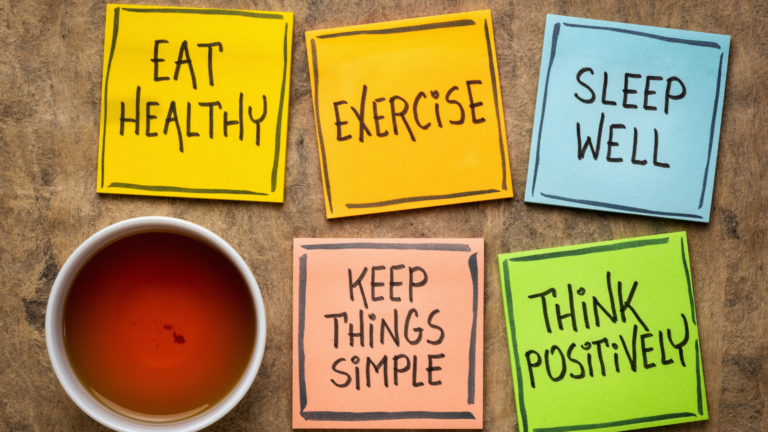
Visual cues can also help. Placing sticky notes with gratitude prompts on mirrors, desks, or refrigerators keeps the practice visible. Select reminders that encourage a positive tone, such as “What made you smile today?”
Experiment with different reminders to find what fits your lifestyle. Passive cues often work better than intrusive alerts, supporting a seamless integration of gratitude into daily life.
Long-Term Strategies for Sustaining Gratitude
Building a lasting habit of gratitude requires consistent effort and intentional practices. Tracking your progress and broadening your awareness beyond personal gains are essential steps to deepen and maintain gratitude over time.
Tracking Progress
Keeping a record of your gratitude practice helps maintain focus and measure growth. A gratitude journal, for example, can include daily entries listing specific moments or people you appreciate. Aim for at least three items per day to sustain a positive mindset.
Review your journal weekly to identify patterns or recurring themes. This reflection can highlight what consistently brings you joy. You can also use simple metrics like rating your gratitude level from 1 to 10 daily to track emotional changes over weeks and months.
Digital apps designed for gratitude can provide reminders and visual progress charts. Combining journaling with periodic reviews supports a long-term shift in perspective, making gratitude a habitual part of your mindset.
Expanding Gratitude Beyond the Self
Gratitude deepens when it extends beyond personal benefits to include others and the environment. Actively recognizing others’ contributions fosters stronger relationships and increases social connection.
Consider regularly expressing thanks to people in your life, whether through notes, verbal acknowledgment, or small acts of kindness. This outward focus helps reduce self-centeredness and enhances community.
Additionally, cultivating appreciation for nature or societal systems broadens your perspective. Practices like mindful walking or volunteering can provide tangible ways to connect gratitude to the wider world, embedding it more firmly in daily life.
Conclusion
Practicing gratitude daily is a simple yet effective way to improve your overall well-being. It encourages a positive mindset and helps you focus on what you have, rather than what you lack.
Consistency is key. Even taking a minute each day to reflect on things you’re thankful for can make a meaningful difference over time.
Here are some practical tips to keep gratitude practice sustainable:
| Tip | Description |
| Set a daily reminder | Use alarms or notes to prompt your gratitude moment |
| Keep a gratitude journal | Write at least 3 things you’re grateful for each day |
| Share gratitude | Express thanks to others verbally or in writing |
Remember, gratitude is a skill that improves with practice. It doesn’t require perfection, just regular effort.
By integrating gratitude into daily routines, it becomes a natural part of life, fostering resilience and contentment.