Simple Ways to Reduce Stress for a Healthier, More Balanced Life
Stress is a common part of daily life, but managing it doesn’t have to be complicated. Simple changes like practicing deep breathing, organizing your time, and taking short breaks can significantly lower stress levels. These easy steps help calm the mind and improve focus.
Understanding how stress affects the body is important to control it effectively. Small, consistent habits can lead to better mental clarity and a more balanced mood throughout the day.
Understanding Stress and Its Effects
Stress triggers a biological response that affects both mind and body. It can come from different sources and result in various physical and emotional changes. Recognizing what stress is and how it operates is essential for managing it effectively.
What Is Stress?
Stress is the body’s natural reaction to demands or challenges, often called stressors. When faced with these, the body releases hormones like adrenaline and cortisol, preparing for a “fight or flight” response. This reaction can heighten alertness and energy temporarily.
Stress is not always negative; it can motivate action or improve focus in short bursts. However, persistent or chronic stress happens when the body remains in this high-alert state for too long, causing wear and tear on physiological systems. Understanding stress as a survival mechanism helps explain why it affects many parts of the body.
Common Causes of Stress
Stress can originate from diverse sources, often grouped into categories like work, personal relationships, and health concerns. Job pressure, such as tight deadlines or conflict with coworkers, is a frequent stressor. Financial issues and family responsibilities also commonly contribute to ongoing stress.
Life changes, including moving, divorce, or loss of a loved one, create major stress events. Additionally, everyday hassles like commuting or poor sleep can accumulate and intensify feelings of stress. Identifying specific causes helps tailor strategies to reduce their impact.
How Stress Impacts Health
Chronic stress influences nearly every system in the body. It can raise blood pressure, weaken the immune system, and increase the risk of heart disease. Emotionally, stress often leads to anxiety, depression, and difficulty concentrating.
Physical symptoms linked to stress include headaches, muscle tension, and digestive issues. Over time, these effects can reduce the overall quality of life. Tracking stress-related health changes is critical for early intervention and better management.
Practical Daily Habits to Reduce Stress
Incorporating specific daily habits can help lower stress levels by improving physical health, mental clarity, and emotional balance. Consistency in how you approach sleep, routines, time, and digital use plays a crucial role.
Prioritizing Quality Sleep
Good sleep is essential for managing stress effectively. Aim for 7-9 hours of uninterrupted rest each night by setting a fixed bedtime and wake-up time, even on weekends. This regularity helps regulate your body’s internal clock.
Create a relaxing pre-sleep routine, such as reading or gentle stretching, to signal your body to wind down. Avoid caffeine and heavy meals close to bedtime. Limit exposure to bright screens at least 30 minutes before sleep to improve melatonin production.
If falling asleep is difficult, consider a cool, dark, and quiet environment. If stress interferes with sleep, mindfulness or breathing exercises can help clear the mind and promote relaxation.
Establishing a Healthy Routine
A structured daily routine provides predictability and reduces decision fatigue, which can lower stress. Start your day with simple habits such as hydration, light exercise, or meditation.
Include regular physical activity—walking, yoga, or cycling—for at least 30 minutes daily. Exercise releases endorphins that naturally alleviate stress.
Meal planning and setting consistent meal times stabilize blood sugar, preventing mood swings. Also, schedule short breaks during your work or study sessions to avoid burnout.
Balance productive periods with activities you enjoy, such as hobbies or socializing, to maintain emotional well-being.
Time Management Strategies
Effective time management helps prevent overwhelm and last-minute rushes that spike stress. Begin each day by listing tasks with clear priorities.
Use tools like calendars, planners, or apps to schedule and track deadlines. Break large projects into smaller, manageable steps to maintain progress and reduce anxiety.
Set realistic goals and be willing to delegate or say no when tasks exceed your capacity. Avoid multitasking; instead, focus fully on one task at a time to improve efficiency.
Regularly review your schedule to adjust priorities and create buffer times for unexpected events.
Limiting Digital Overload
Excessive screen time can increase stress by overstimulating the brain and interrupting rest. Set daily limits on social media and news consumption.
Establish device-free zones or times, especially during meals and before bedtime. This practice helps your mind disengage and recover from constant input.
Turn off non-essential notifications and consider apps that track or limit your usage. Replace some screen time with offline activities such as reading, walking, or conversing in person.
Be mindful of the content you consume; seek positive or neutral information to reduce anxiety triggered by negative news.
Mindfulness Practices for Stress Relief
Practicing mindfulness can help calm the mind and body by focusing attention on the present moment. Techniques like meditation, breathing exercises, and muscle relaxation work by reducing tension and clearing mental clutter.
Meditation Techniques
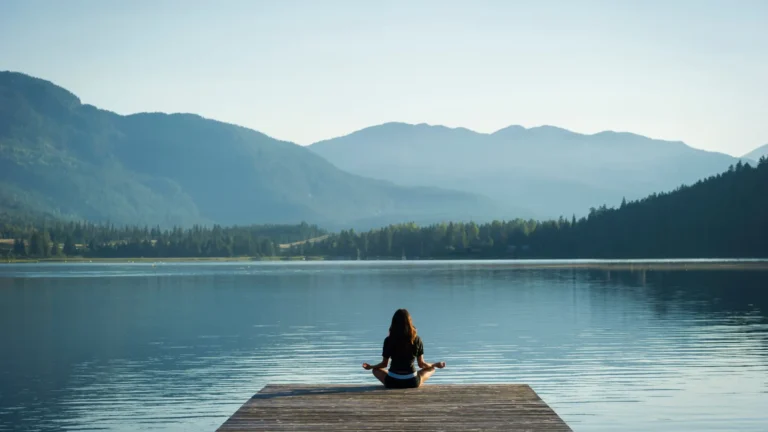
Meditation involves sitting quietly and focusing on a single point, such as the breath or a repeated phrase. A simple method is to breathe naturally and observe the breath without controlling it. When distractions arise, gently bring attention back to breathing.
Consistency matters. Starting with 5-10 minutes daily can improve concentration and reduce stress hormones over time. Guided meditations, available on apps or online, help beginners maintain focus and build a routine. Avoid forcing the mind to be blank; the goal is awareness, not emptiness.
Deep Breathing Exercises
Deep breathing helps activate the body’s relaxation response. A common technique is diaphragmatic breathing, where you breathe deeply into the belly rather than shallowly into the chest. This increases oxygen flow and slows heart rate.
Try the 4-7-8 method: inhale quietly for 4 seconds, hold breath for 7 seconds, then exhale audibly for 8 seconds. Repeat this cycle 3-4 times. This technique lowers cortisol levels and calms nervous system activity quickly.
Deep breathing can be done anywhere and anytime stress builds. It interrupts the cycle of rapid, shallow breathing that often accompanies anxiety.
Progressive Muscle Relaxation
Progressive Muscle Relaxation (PMR) involves tensing and then releasing specific muscle groups. Starting at the feet and moving upward helps identify areas of tension.
Each muscle group is tightened for about 5 seconds, then slowly released. This process promotes body awareness and physical relaxation simultaneously. PMR can reduce muscle stiffness and promote better sleep.
Doing PMR regularly can enhance mindfulness about bodily sensations and help break the link between stress and muscle tension. It’s practical to perform before sleep or after stressful events.
Physical Activities That Lower Stress
Physical movement influences the body’s stress levels by releasing hormones and increasing oxygen flow. Activities that enhance flexibility, circulation, and mindfulness help calm the mind as well as the body.
Benefits of Regular Exercise
Exercise triggers the release of endorphins, chemicals in the brain that act as natural painkillers and mood elevators. Consistent workouts improve sleep quality, which reduces stress and fatigue.
It also lowers levels of the body’s stress hormones, such as adrenaline and cortisol. Cardiovascular activities like running, cycling, or swimming raise heart rate and improve overall endurance, contributing to better stress management.
Regular exercise increases energy levels and improves cognitive function. These effects support better decision-making and emotional resilience when facing daily stressors.
Yoga and Stretching for Calm
Yoga combines physical postures, controlled breathing, and meditation to reduce stress and promote relaxation. It targets the parasympathetic nervous system, which is responsible for rest and digestion.
Stretching relieves muscle tension that builds up during stress. This physical release helps to reduce feelings of anxiety and calm the mind.
Yoga practices emphasize mindful movement and awareness. This mental focus helps interrupt stressful thought patterns and encourages better emotional regulation.
Walking and Outdoor Movement
Walking, especially in natural environments, lowers cortisol levels and eases neural activity related to stress. It is a low-impact exercise accessible to most people without special equipment.
Outdoor movement increases exposure to sunlight, which boosts vitamin D levels and serotonin, a neurotransmitter linked to mood improvement. This combination enhances mood and reduces feelings of anxiety.
Routine walks help break up sedentary time, which is associated with increased stress and poor mental health. Even short, frequent walks can improve overall well-being and mental clarity.
Nutrition and Hydration for Stress Management
Proper nutrition and hydration directly affect stress levels. Consuming the right foods and fluids supports brain function and energy, while avoiding certain substances can prevent increased anxiety and mood swings.
Eating Balanced Meals
Balanced meals that combine protein, healthy fats, and complex carbohydrates help maintain steady blood sugar levels. Foods rich in omega-3 fatty acids, such as salmon and walnuts, support brain health and reduce inflammation.
Including leafy greens, berries, and whole grains provides antioxidants and vitamins like magnesium and vitamin C, which are linked to lower stress. Avoid skipping meals, as hunger can increase irritability and stress hormones.
Planning meals with a variety of nutrient-dense ingredients helps keep mood stable and improves resilience to daily stressors.
Staying Hydrated
Dehydration can make stress feel worse by causing fatigue and affecting concentration. Adults should aim for about 8 cups (64 ounces) of water daily, but needs vary depending on activity level and climate.
Drinking water steadily throughout the day prevents energy dips and supports overall brain function. Herbal teas like chamomile or peppermint can also promote relaxation.
Avoiding excessive thirst helps maintain mental clarity and reduces the physical symptoms that can accompany stress.
Limiting Caffeine and Sugar
High caffeine intake stimulates the nervous system, which can exacerbate anxiety and disrupt sleep. Limiting caffeine to no more than 200 mg per day (about two cups of coffee) is recommended for most adults.
Sugar causes rapid blood sugar spikes and crashes, leading to irritability and fatigue. Reducing processed sweets and sugary drinks helps prevent these mood swings.
Replace sugary snacks with fiber-rich fruits or nuts, which provide sustained energy without triggering stress-related hormonal imbalances.
Building Positive Social Connections
Connecting with others can lower stress by providing emotional support, shared activities, and healthy communication. Seeking help when needed, engaging in group environments, and expressing feelings clearly all play key roles in building these connections.
Seeking Support from Friends and Family
Turning to friends and family during stressful times offers emotional relief and practical help. They often provide a listening ear, advice, or assistance that can reduce feelings of isolation.
It’s important to choose trusted individuals who respond with empathy and respect. Being open about what you’re experiencing encourages understanding and strengthens your bond.
Regularly checking in with loved ones also builds a foundation of support before stress peaks. This makes it easier to reach out when challenges arise.
Joining Group Activities
Participating in group activities, such as clubs, sports, or classes, offers structured ways to meet people and reduce stress through social engagement.
These activities promote a sense of belonging and shared purpose. They provide distraction from stressors and opportunities for positive interactions.
Finding groups that match personal interests or goals increases motivation to join and keep attending. Consistent involvement helps build friendships and social networks.
Communicating Feelings Effectively
Expressing emotions clearly and calmly prevents misunderstandings and deepens relationships. Use “I” statements to describe feelings and experiences without blaming others.
Active listening is equally critical—acknowledging others’ perspectives fosters mutual respect. Avoiding assumptions or judgment allows conversations to stay constructive.
Practicing communication skills builds confidence to discuss stress triggers and request support when needed. Open dialogue reduces bottled-up tension and promotes connection.
Developing a Positive Mindset
Building a positive mindset involves intentional practices that improve mental resilience and emotional balance. It requires focusing on what you can control and treating yourself with kindness during challenges.
Practicing Gratitude
Gratitude shifts attention away from stressors by highlighting what is good in life. Keeping a daily gratitude journal with three things you’re thankful for can reinforce this habit. This simple practice reduces negative thoughts and increases feelings of contentment.
Expressing gratitude to others strengthens relationships, which can serve as a support system during stressful times. Even small acknowledgments, like saying “thank you,” improve social bonds and emotional well-being.
Self-Compassion and Affirmations
Self-compassion means treating yourself as you would a friend during difficulty. Instead of harsh self-criticism, use gentle affirmations like, “I am doing my best” or “It’s okay to make mistakes.” These reduce anxiety and prevent burnout.
Affirmations work best when repeated regularly, especially in moments of high stress. They reframe negative self-talk and promote a calm, constructive internal dialogue, which supports emotional regulation.
Focusing on Solutions
Stress often stems from feeling overwhelmed by problems. Shifting the mindset to focus on actionable solutions helps reduce this feeling. Break problems into smaller steps and create a clear plan.
Make a list of potential solutions and evaluate them objectively. Taking practical action, even small steps, increases a sense of control and lowers stress levels. Avoid ruminating on the problem without progressing toward resolution.
Setting Boundaries and Managing Commitments
Managing your time and energy effectively reduces stress by preventing overload. Key strategies include limiting obligations, focusing on what matters most, and creating clear separation between different areas of life.
Learning to Say No
Saying no is essential for protecting your time and reducing stress. It means declining requests or tasks that do not align with your priorities or exceed your capacity.
Use polite but firm language, such as “I can’t take that on right now” or “I need to focus on my current commitments.” Avoid over-explaining or apologizing excessively. Remember, every yes should be a conscious choice.
Practicing saying no regularly helps build confidence. It also sets clear expectations with others, reducing pressure and potential resentment later.
Identifying Priorities
Clarifying what matters most helps direct your energy toward meaningful tasks. Write down your goals and responsibilities, then rank them by importance and deadlines.
Review this list weekly to adjust priorities as needed. Focus on high-impact activities and consider dropping or delegating less important ones.
Use tools like calendars or task managers to organize and visualize priorities. This reduces overwhelm and keeps your efforts targeted.
Maintaining Work-Life Balance
Creating distinct boundaries between work and personal life helps prevent burnout. Set specific work hours and stick to them, avoiding checking emails or completing tasks outside this time.
Schedule regular breaks and downtime to recharge. Communicate your availability clearly to coworkers and family.
Engage in non-work activities that bring relaxation and joy, like hobbies or exercise. This balance supports mental well-being and sustained productivity.
Creative and Relaxing Stress Relief Techniques
Engaging in specific activities can effectively lower stress by shifting focus and fostering calm. These methods stimulate the mind and body in ways that promote relaxation without requiring intense effort or special skills.
Art and Music Activities
Drawing, painting, or coloring can help channel anxious energy into creativity. The repetitive motions and focus needed for these activities reduce mental clutter and encourage mindfulness.
Listening to music, especially calming genres like classical or acoustic, has been shown to lower heart rate and cortisol levels. Playing an instrument or singing also engages the brain positively and provides a sense of accomplishment.
Even brief sessions—10 to 20 minutes—can make a noticeable difference. Keeping simple supplies or a playlist handy makes it easy to incorporate art and music into daily routines.
Spending Time in Nature
Being outdoors, even for short walks, exposes the body to natural light and fresh air, which improves mood and energy. Nature reduces stress hormone levels and promotes relaxation through sensory experiences like bird sounds and greenery.
Parks, gardens, or trails provide accessible spaces for this practice. Regular exposure, around 30 minutes three times a week, offers consistent benefits.
Mindfully observing surroundings while walking can deepen the effect. Avoiding devices during this time helps maintain focus and encourages mental clarity.
Engaging in Hobbies
Activities like gardening, cooking, or puzzles provide structured tasks that divert attention from stressors. These hobbies create a sense of progress and control, which counters feelings of overwhelm.
Choosing hobbies aligned with personal interests increases motivation to participate regularly. Setting aside 20–30 minutes a day supports habit formation without time pressure.
Working with hands or following patterns engages different parts of the brain than those involved in work stress. This cognitive shift promotes recovery and mental balance.
Conclusion
Reducing stress involves simple, manageable actions that can fit into daily life. Techniques like deep breathing, physical activity, and adequate rest are effective and accessible.
Consistency is key. Small changes maintained over time help build resilience against stress. It’s helpful to experiment and find what works best individually.
Below is a quick checklist to reinforce stress-reducing habits:
| Activity | Frequency | Benefit |
| Deep breathing | Daily | Lowers heart rate |
| Light exercise | 3-5 times/week | Boosts mood and energy |
| Quality sleep | 7-9 hours/night | Enhances mental clarity |
| Mindfulness breaks | Several times/day | Improves focus |
Using a variety of strategies can address different sources of stress. It’s practical to combine physical, mental, and environmental adjustments.
Remember, stress management is a continuous process. Adding simple steps steadily can make a significant difference in well-being.