
Stress Management Techniques for Professionals to Boost Productivity and Well-Being
Stress is a common challenge for professionals, but managing it effectively is possible through targeted techniques. The best stress management methods combine practical strategies like time management, mindfulness, and physical activity to keep stress levels under control.
Understanding how to apply these techniques in a busy work environment is essential for maintaining productivity and overall well-being. This article explores actionable steps that fit into professional routines without adding extra pressure.
By adopting these approaches, professionals can reduce burnout, improve focus, and create a healthier work-life balance. The tools discussed are straightforward and adaptable to different workplace demands.
Understanding Occupational Stress
Occupational stress arises from specific factors related to job roles, workplace environment, and interpersonal dynamics. Identifying these factors, recognizing stress symptoms, and understanding their effects on performance are essential to managing stress effectively.
Common Causes of Professional Stress
Job demands that exceed an individual’s capacity are a primary source of stress. High workload, tight deadlines, and lack of control over tasks often create pressure.
Interpersonal conflicts, such as difficult colleagues or supervisors, increase tension. Job insecurity and unclear job expectations also contribute significantly.
Organizational changes like restructuring or layoffs can disrupt work stability. Additionally, poor work-life balance, especially in roles requiring long hours, intensifies stress.
Signs and Symptoms of Work-Related Stress
Stress manifests physically and mentally. Common physical symptoms include headaches, fatigue, and muscle tension.
Mentally, stress causes irritability, anxiety, and difficulty concentrating. Employees may also experience feelings of overwhelm and reduced motivation.
Behavioral changes such as absenteeism, withdrawal, or decreased productivity signal rising stress levels. Recognizing these signs early is critical for timely intervention.
Impact of Stress on Professional Performance
Stress impairs decision-making and problem-solving abilities. It lowers focus and increases errors in routine tasks.
Chronic stress reduces creativity and adaptability. It also heightens the risk of burnout, leading to decreased job satisfaction and higher turnover rates.
Effective stress management is necessary to maintain consistent performance and workplace engagement.
Effective Stress Management Techniques
Managing stress requires precise actions that balance workload, personal limits, and task importance. Focusing on control over time, defining clear work-life lines, and distributing tasks effectively helps reduce pressure.
Time Management Strategies
Effective time management begins with planning. Use tools like calendars or digital apps to schedule tasks and set realistic deadlines. Break large projects into smaller steps to avoid feeling overwhelmed.
Prioritize blocks of focused work and include short breaks to maintain productivity. Avoid multitasking, as it reduces efficiency and increases errors. Consider using techniques like the Pomodoro Method, which alternates focused work sessions with timed rests.
Regularly review schedules to adjust for unexpected demands or shifting priorities. This creates a flexible yet structured approach that minimizes last-minute stress.
Setting Boundaries at Work
Clearly defining work boundaries protects personal time and reduces burnout. Communicate your availability honestly to colleagues and supervisors.
Avoid checking work emails or messages outside designated hours. This separation helps maintain mental rest and focus during non-work times.
Learn to say no when additional tasks exceed capacity without compromising quality. Setting boundaries involves respecting your limits and making them known professionally.
Prioritization and Delegation
Prioritization focuses efforts on the most critical tasks first. Use methods like the Eisenhower Matrix to classify tasks by urgency and importance.
Delegate tasks that others can handle, freeing time for high-priority responsibilities. Effective delegation requires clear instructions and trust in colleagues’ abilities.
Regularly reassess priorities as projects evolve to ensure focus stays on impactful work. This dynamic adjustment reduces stress caused by looming deadlines and excessive workload.
Building Resilience in the Workplace
Developing resilience involves managing emotions, adjusting your mindset, and adapting to changing situations effectively. These elements help maintain stability and performance under pressure.
Emotional Intelligence Development
Emotional intelligence (EI) is critical for resilience. It involves recognizing your emotions and those of others, which allows for better stress management and communication.
Focus on improving self-awareness by regularly checking in with your feelings. Practice empathy by listening actively and validating coworkers’ perspectives. Managing your emotions can reduce conflicts and promote a calm work environment.
Use techniques such as journaling or mindfulness exercises to enhance emotional regulation. This strengthens your ability to stay focused and respond thoughtfully rather than react impulsively during stressful moments.
Positive Self-Talk Techniques
Positive self-talk shapes your response to challenges. Replace negative thoughts like “I can’t handle this” with affirmative phrases such as “I will find a way.”
Create a list of motivating statements to use when stress builds. Regularly repeating these phrases can shift your mindset over time. This practice boosts confidence and reduces anxiety.
Be specific in affirmations. Instead of vague praise, say, “I have solved difficult problems before.” This reinforces your ability to overcome workplace obstacles through experience and skills.
Embracing Adaptability
Adaptability means adjusting to new conditions without losing effectiveness. It is essential as workplaces evolve rapidly due to technology and market changes.
Develop flexibility by seeking feedback and remaining open to new ideas or methods. Approach change as a learning opportunity rather than a threat. This mindset reduces resistance and improves problem-solving.
Set small goals to gradually improve your comfort with uncertainty. Track progress and reflect on successes to build confidence in your ability to navigate shifts in your role or environment.
Mindfulness and Relaxation Approaches
Techniques that improve focus and reduce physical tension are essential for managing stress. Using methods that engage both the mind and body can lead to measurable improvements in calming anxiety and maintaining concentration.
Mindful Breathing Exercises
Mindful breathing involves paying close attention to each breath as it enters and leaves the body. This focused observation helps interrupt the cycle of stress by bringing awareness to the present moment.
One common practice is to inhale deeply through the nose for a count of four, hold the breath for four seconds, then exhale slowly through the mouth for six seconds. Repeat this cycle several times.
Regular mindful breathing can lower heart rate and oxygenate the brain, which aids in clearer thinking. Professionals often use this technique as a quick reset during hectic days since it requires no special tools or locations.
Progressive Muscle Relaxation
Progressive Muscle Relaxation (PMR) is a technique that systematically tenses and then relaxes muscle groups to release physical stress. It involves focusing on one muscle group at a time, from toes to head or vice versa.
Start by tightening a group of muscles for about five seconds, then slowly release the tension. This method highlights the contrast between tension and relaxation, making it easier to identify and reduce underlying physical stress.
PMR can be practiced in as little as 10 to 15 minutes and is effective for reducing chronic muscle tightness linked to work-related stress. It also encourages deeper bodily awareness, which can inform better self-care decisions.
Guided Meditation Practices
Guided meditation uses spoken instructions to direct attention and promote relaxation. It often involves imagery or visualization, such as imagining a peaceful scene or visualizing stress leaving the body.
These meditations range in length from 5 to 30 minutes and can be accessed via apps or online platforms. They are useful for both beginners and experienced practitioners who want structured support in calming the mind.
The verbal cues help maintain focus, reducing wandering thoughts that heighten stress. Consistent use of guided meditation has been shown to improve emotional regulation and resilience under pressure.
Physical Wellbeing and Stress Reduction
Physical health directly impacts mental resilience and stress control. Attending to body care through movement, diet, and rest creates a solid base for managing pressure in professional settings.
Exercise Routines for Professionals
Regular exercise reduces stress hormones like cortisol while boosting endorphins. Professionals benefit from routines that fit into tight schedules, such as high-intensity interval training (HIIT) or brisk walking.
A weekly plan might include:
- 3 sessions of 30-minute moderate cardio (jogging, cycling)
- 2 sessions of strength training focusing on major muscle groups
- Daily stretching or yoga for flexibility and relaxation
Breaking workouts into shorter segments can improve adherence. Even a 10-minute walk during breaks helps clear the mind and reduce tension. Prioritize activities that are enjoyable to maintain long-term consistency.
Healthy Nutrition Choices
Foods rich in antioxidants, vitamins, and minerals support brain function and stabilize energy levels. Focus on a balanced diet with:
- Whole grains for sustained energy
- Lean proteins to repair tissue and support neurotransmitter function
- Fruits and vegetables provide essential vitamins and fiber
Limit caffeine and sugar intake, as they may spike anxiety or cause energy crashes. Staying hydrated by drinking at least 8 cups of water daily helps prevent fatigue and sustains concentration.
A routine of regular meals prevents blood sugar dips that increase irritability. Planning meals and snacks around work hours can improve nutritional habits.
Quality Sleep Practices
Sleep is foundational for stress management and cognitive performance. Aim for 7-9 hours per night, maintaining consistent bed and wake times even on weekends.
Create a sleep-friendly environment by:
- Keeping the bedroom dark and cool (60-67°F or 15-19°C)
- Avoiding screens 1 hour before bedtime to reduce blue light exposure
- Limiting heavy meals and caffeine late in the day
Relaxation techniques such as deep breathing or progressive muscle relaxation before bed help initiate sleep faster. Tracking sleep patterns can identify disruptions needing adjustment.
Leveraging Professional Support Systems
Accessing structured support within the workplace can significantly reduce stress levels. Various programs and resources are designed to assist professionals in managing their workload and emotional health.
Seeking Employee Assistance Programs
Employee Assistance Programs (EAPs) offer confidential counseling services tailored to workplace challenges. These programs typically provide short-term support for stress, anxiety, and work-life balance issues.
EAPs often include access to licensed counselors, financial advisors, and legal consultants. Employees can reach out via phone, online platforms, or in person, depending on what their company offers. Utilizing these services early can prevent stress from escalating.
Many EAPs also provide workshops and webinars focused on stress reduction techniques. Taking advantage of these resources can enhance emotional resilience and coping strategies.
Utilizing Workplace Resources
Workplaces may offer specific tools and initiatives to promote well-being. These can include relaxation spaces, flexible work hours, and mindfulness sessions.
Formal programs such as time management training or wellness challenges often help employees prioritize tasks and maintain physical health. Combining these resources with personal stress management improves overall productivity.
Employers may also provide technology that supports remote work, reducing commuting stress and offering better work-life integration. Exploring and using these available aids can ease daily pressures effectively.
Engaging in Coaching or Mentoring
Professional coaching and mentoring can offer personalized guidance on managing stressors related to career demands. Coaches assist in improving goal-setting, decision-making, and emotional regulation.
Mentors provide experience-based advice and perspective, often helping individuals navigate complex workplace dynamics. Regular meetings with a mentor or coach create a structured space to address stress proactively.
Both coaching and mentoring contribute to skill development and confidence, which are crucial in managing job-related stress. Seeking these relationships can be a strategic step toward sustained professional well-being.
Long-Term Strategies for Sustainable Stress Reduction
Sustained stress relief comes from consistent lifestyle adjustments and clear priorities. Establishing boundaries and defining goals can create a stable framework that eases daily pressure and supports well-being over time.
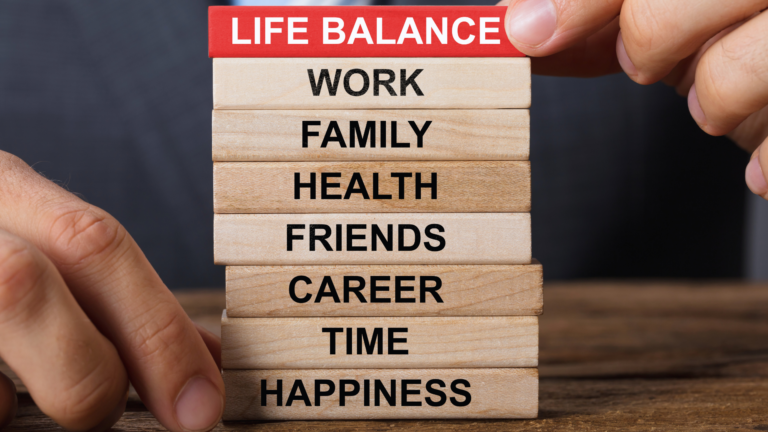
Creating a Healthy Work-Life Balance
Work-life balance requires intentional limits on work hours and dedicated personal time. Scheduling regular breaks and disconnecting from electronic devices after work helps separate professional and personal life.
Communicating expected availability to colleagues reduces after-hours interruptions. Prioritizing activities that recharge energy, like exercise or hobbies, creates mental space away from job-related stress.
Using tools like shared calendars or time-blocking techniques can allocate specific hours for family, leisure, and rest. A balanced routine prevents burnout by ensuring consistent downtime and recovering mental resources.
Goal Setting for Personal and Professional Growth
Setting clear, realistic goals helps channel focus and measure progress. Break larger objectives into smaller milestones with deadlines to maintain motivation and avoid overwhelm.
Use the SMART criteria: goals should be Specific, Measurable, Achievable, Relevant, and Time-bound. This clarity reduces anxiety caused by vague or unattainable expectations.
Regularly revisiting and adjusting goals keeps them aligned with changing priorities and circumstances. Tracking achievements provides a sense of control and accomplishment, which counteract stress triggers.